
2312302 GENERAL MICROBIO
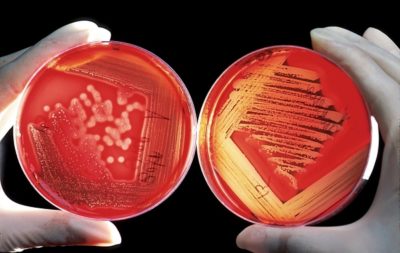
| Course Number | 2312302 | |
|---|---|---|
| Course Credits | 3 (2-3-4) | |
| Course Abbrviation | GENERAL MICROBIO | |
| Course Title (TH) | จุลชีววิทยาทั่วไป | |
| Course Title (EN) | GENERAL MICROBIOLOGY | |
| Responsible Unit | Faculty of Science, Department of Microbiology | |
| Type of Course | International Course | |
| Semester | Intl 1st semester | |
| Academic Year | 2024 | |
| Course Coordinator | ||
| Measurement Method | ||
| Type of Course | Semester Course | |
| Course Condition | None | |
| Course Status | Compulsory Courses | |
| Instructors / staffs | ||
| Enrollment conditions | None | |
| Degree level | Bachelor | |
| Related curricular | Bachelor of Science in Biotechnology (2562) | |
| Bachelor of Science in Biotechnology (2567) | ||
| Course description (TH) | ชีววิทยาของจุลินทรีย์ ได้แก่ แบคทีเรีย รา และยีสต์ ครอบคลุมกระบวนการเจริญ การใช้สารอาหาร (โภชนาการ) เมตาบอลิสึม การสืบพันธุ์ และพันธุกรรม การจัดจําแนกหมวดหมู่ การแยกเชื้อจากแหล่งธรรมชาติให้บริสุทธิ์ การนําไปใช้ประโยชน์ทางอุตสาหกรรม การเกษตร และทางด้านสาธารณสุข | |
| Course description (EN) | Biological understanding of microbes, bacteria, mold and yeast with respect to their growth, nutrition, metabolism, reproduction and genetics; taxonomic classification, isolation and identification of the microbes from various habitats, application in industry, agriculture, and public health control. |
|
| Curriculum mapping | / | CU-1.1: Behavioral Objectives Possessing well-rounded knowledge |
| / | CU-1.2: Possessing in-depth knowledge | |
| / | CU-2.1: Being moral and ethical | |
| / | CU-2.2: Having an awareness of etiquette | |
| / | CU-3.1: Being able to think critically | |
| CU-3.2: Being able to think creatively | ||
| CU-3.3: Having skills in problem solving | ||
| / | CU-4.1: Having professional skills | |
| CU-4.2: Having communication skills | ||
| CU-4.3: Having skills in information technology | ||
| CU-4.4: Having mathematical and statistical skills | ||
| CU-4.5: Having management skills | ||
| / | CU-5.1: Having an inquiring mind | |
| / | CU-5.2: Knowing how to learn | |
| CU-5.3: Having leadership qualities | ||
| CU-5.4: Maintaining well-being | ||
| CU-5.5: Being community-minded and possessing social responsibility | ||
| CU-5.6: Sustaining Thainess in a globalized world | ||
| / | subPLO1.1 Explain biotechnology knowledge in practice. | |
| subPLO1.2 Analyze biotechnology knowledge in practice. | ||
| subPLO1.3 Apply biotechnology knowledge in practice. | ||
| / | PLO2 Employ biotechnology-related technology and scientific tools. | |
| PLO3 Communicate effectively in English within the Biotechnology field. | ||
| / | PLO4 Demonstrate behavior that aligns with ethical principles, moral values, and professional ethics. | |
| PLO5 Demonstrate social responsibility, courage, and creativity. | ||
| Course learning outcome (CLO) | 1. Describe the characteristics of microorganisms such as bacteria, fungi and yeast in terms of structure, cell functions and morphology, growth, food utilization, physiology and metabolism, reproduction, classification of microorganisms. |
|
| 2. Describe the application of microorganisms in various fields such as food, industrial related to wastewater disposal, also microorganisms in agriculture and microbial control, etc. |
| # | Date | Time | Learning content | Instructor | CLO | Remark |
|---|---|---|---|---|---|---|
| Introduction/Cell Structure | • | |||||
| Introduction to Microbiology laboratory/Lab safety 1.Sterile technique or aseptic technique 2.Isolation of pure culture (streak plate technique) 3.Preparation and use of culture media | • | |||||
| Isolation of pure culture | ||||||
| Classification | ||||||
| Nutrition | ||||||
| 1.Study of growth characteristics and transfer of cultures 2.Use of light microscope 3.Staining methods | ||||||
| Bacterial growth and reproduction | ||||||
| Control of microorganism | ||||||
| 1.Study of bacterials motility (Semisolid media/Hanging drop method) 2.Bacterials growth (Viable plate count) 3.Cultivation of bacteria (aerobic / anaerobic bacteria) | ||||||
| Microbial physiology and metabolism - Main metabolic pathwa - Specialized microorganism metabolism | ||||||
| Microbial physiology and metabolism - Main metabolic pathwa - Specialized microorganism metabolism | ||||||
| Microbial physiology and metabolism - Main metabolic pathwa - Specialized microorganism metabolism | ||||||
| Microbial physiology and metabolism - Main metabolic pathwa - Specialized microorganism metabolism | ||||||
| 1.Control of microorganism by chemical agents 2.Exoenzymes of microorganism 3.Endoenzymes of microorganism | ||||||
| Microbial genetics | ||||||
| 1.Reduction of nitrates 2.H2S production 3.IMViC test | ||||||
| Microbial genetics | ||||||
| Mycology | ||||||
| Mycology -Cell structure and functions part 1 | ||||||
| Laboratory Test : Gram stain, Microscope, Streak plate | ||||||
| Mycology -Cell structure and functions part 2 | ||||||
| Mycology -Reproduction, Classification part 1 | ||||||
| 1.Isolation of fungi from various habitals 2.Technique for study of fungi - Culture medium/Direct mount - Inoculation and subculture technique 3.Slide culture technique 4. Scotch tape technique | ||||||
| Mycology -Reproduction, Classification part 2 | ||||||
| Mycology - Growth and nutrition part 1 | ||||||
| Mycology - Growth and nutrition part 2 | ||||||
| Mycology - Antifungal compounds | ||||||
| 1.Method for cultivation of molds and yeasts - Surface culture - Submerged culture 2.Methods for measurement of fungal growth - cell mass (dry weight) - colony diameter - cell number | ||||||
| Mycology : Physiology and metabolism | ||||||
| 1. Methods for cultivation of molds and yeasts -surface culture/submerged culture 2. Methods for measurement of fungal growth -cell mass (dry weight) / -colony diameter -cell number | ||||||
| Medical Microbiology - Immunology | ||||||
| Medical Microbiology - Virology | ||||||
| Morphology and classification of some typical genera of molds and yeasts. | ||||||
| Microbiology of food | ||||||
| Microbiology in industrials process | ||||||
| Microbiology of soil water and sewage |
| Teaching/learning media | Powerpoint media, sheet, live specimens and permanent sildes | ||
| Communication channels / LMS | |||
| Type | Channel identifier / URL | Remarks | |
| Learning Management System (LMS) | MyCourseVille / LINE / ECHO | ||
| Assessment method | Level of assessment | Related CLO | Percentage |
| Midterm Examination (Lecture) | 35 % | ||
| Final Examination (Lecture) | 35 % | ||
| Midterm Examination (Lab) | 16 % | ||
| Final Examination (Lab) | 14 % | ||
| Grading | Grading System | Letter Grad (A-F) | |
| Grading method | Criterion-referenced Grading (อิงเกณฑ์) | ||
| Minimum Passing Level (MPL) | 50 | ||
| Reading list | |||
| Type | Title | Remarks | |
| Textbook | Medigan, M, Martinko, J.M., Bender, K., Buckley, D. and Stahl, D. (2015) Biology of Microorganism, 14th Edition, Pearson Education, Inc., Benjamin Cummings, San Francisco, USA. | ||
| Textbook | Carpuccino, J.M. and Welsh, C.T. (2016) Microbiology : A Laboratory Manual 11th Ed. Global Edition, Pearson, UK | ||
| Textbook | Johnson, T.R. and Case, C.L. (2012) Laboratory Experiments in Microbiology 10th Ed Benjamin Cummings, San Francisco, USA. | ||
| Textbook | Tortora, G.J., Funke, B.R. and Case, C.L. (2012) Microbiology: An Introduction. 11th Edition, Benjamin Cummings, San Francisco, USA. | ||
| Course evaluation | Course evaluation system | myCourseVille | |
| Details of improvement from previous evaluation | – | ||
| Course quality control | Responses to complaints / petitions from students | Directly to the instructor |